

Post Termination Allegations of Misconduct: Employers – Think Twice!
 By: Esra Yacout
After-acquired cause is misconduct that is discovered only after an individual’s employment has ended. If this misconduct had been identified before termination, it could have justified a termination for cause. After-acquired cause can be a legitimate defense if raised in good faith.
However, the recent case of Hoem v. Macquarie Energy Canada Ltd, 2025 BCSC 446, provides us with an example of how improper allegations of after-acquired cause can backfire.
The Court Decision
Mr. Hoem was terminated without cause and received a severance package. He subsequently filed a lawsuit against his employer, claiming he was entitled to a larger severance amount. In defense of the lawsuit, the employer raised the argument of after-acquired cause, citing misconduct discovered after termination, which included consuming cannabis at work, dishonesty, and releasing confidential information.
The court rejected the employer’s claim of after-acquired cause and found that Mr. Hoem’s dishonesty was about matters unrelated to his job. This did not justify cause for termination. The court also concluded that Mr. Hoem had taken CBD for health reasons and there was no violation of the employer’s drug policy.
The court found that several allegations made by the employer were taken to trial even though they lacked supporting evidence. Additionally, although the allegation that Mr. Hoem had released confidential information was withdrawn before trial, the court determined that it should never have been made in the first place as there was no reasonable basis for it
The continued pursuit of unfounded claims, particularly those that could damage the employee’s professional reputation, was found to be a breach of the employer’s duty of good faith. The court awarded Mr. Hoem $35,000 in aggravated damages.
Key Takeaway for Employers
After-acquired cause is not a fallback option to justify a past termination. Employers must ensure any allegations are well-founded. Pursuing unsubstantiated claims can backfire, undermining the employer’s defense and exposing them to additional damages.
For more information about this case, or if you require legal advice in relation to an employee termination or a wrongful dismissal claim, please contact any member of our Employment and Human Rights Group
-
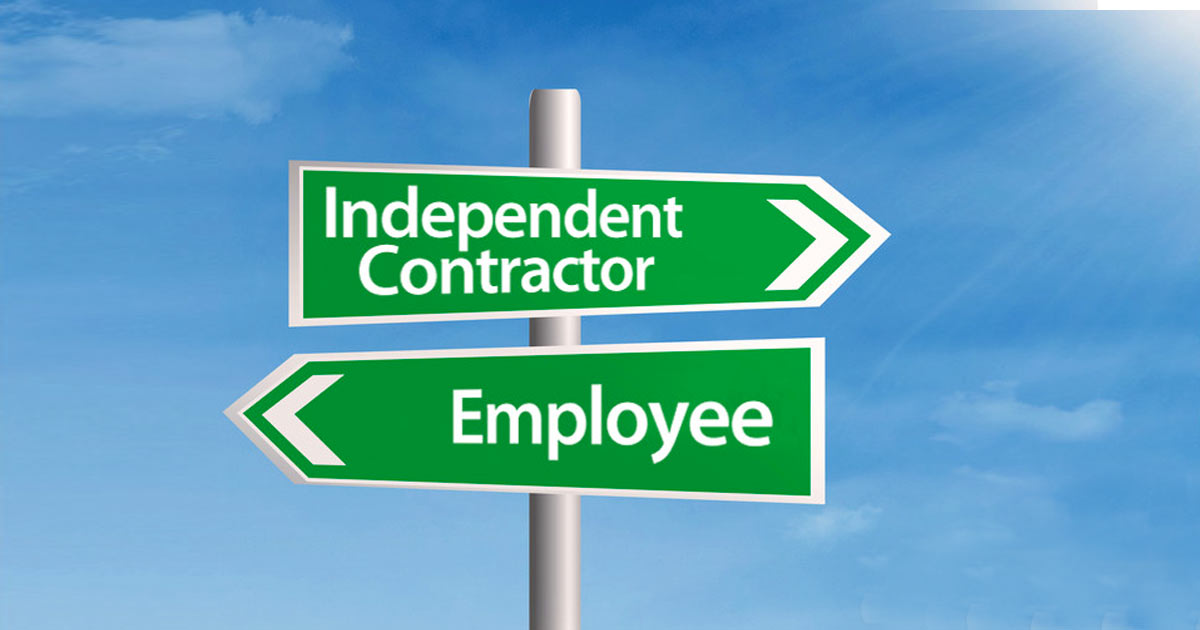
Employee or independent contractor: which one are you? You might even be a dependent contractor. This intermediate category of “dependent contractor” has emerged over the last few years. Unlike an independent contractor, a dependent contractor must be provided with reasonable notice of termination of the contractor relationship. To determine whether a person is an employee or a contractor, the CRA and the Courts look at the substance of the relationship as a whole, which is exactly what the BC Supreme Court did in the case of Glimhagen v. GWR Resources Inc., 2017 BCSC 761
-
As of March 17, 2020, the BC Government has announced a public health emergency under the Public Health Act, and on March 23rd, 2020 the BC Government enacted an amendment to the BC Employment Standards Act specifically directed to granting “job protected” leaves for BC employees impacted by COVID-19.